Our team
Every study has a named principal investigator who is accountable for it from site activation through to close out. These are the people whose names go on the protocol.
Clinicians who still see patients
Each of our investigators practices in the specialty they run studies in. That is deliberate: a protocol looks different to someone who will have to explain it in clinic on Thursday.
Dr Ijaz Ahmed
Leads our heart failure and hypertension programs. Argued successfully for widening the age band on DCR 214, on the grounds that a heart failure trial recruiting only the under seventies is not studying heart failure.
Dr Ghulam Ullah Shehzad
Runs our inflammatory bowel disease portfolio and introduced independent central reading of endoscopic endpoints, removing a source of scoring variation between assessors that had been quietly inflating our confidence intervals.
Dr Milagros Hernandes
Leads the inflammatory arthritis program and chairs the internal review that signs off every protocol before it goes to an Institutional Review Board. Studies rarely leave that meeting unchanged.
Dr Intezam U. Khan
Specializes in migraine and epilepsy trials. Built the standardized cognitive and symptom diary protocol now used in every neurology study we run, including the paper fallback that kept DCR 176 retention above 90%.
Dr Pervaiz Iqbal
Oversees our COPD and asthma studies and owns the spirometry certification program that keeps lung function measurement consistent between technicians and over time.
Dr Sami Iqbal
Leads our diabetes and obesity programs. Designed the retention approach from DCR 141 that we now apply to every study running longer than a year.
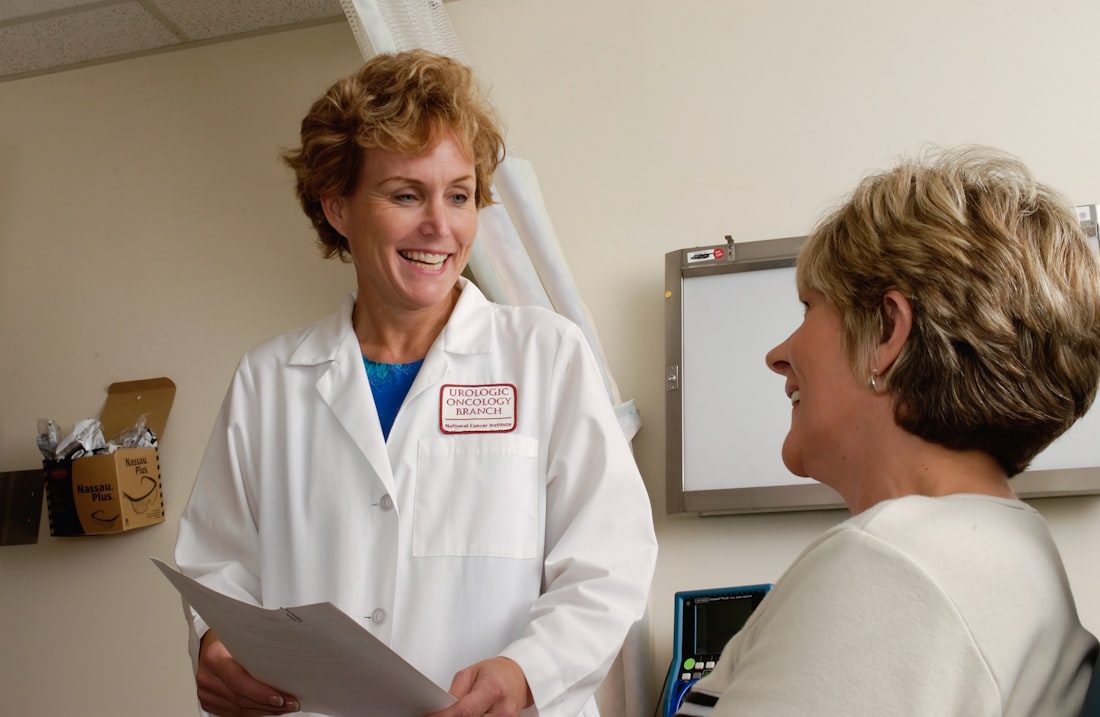
The people participants actually see most
An investigator's name is on the protocol, but it is the coordinators, monitors, and data staff who make a study run, and who a participant will speak to at almost every visit.
- Research coordinators. The constant point of contact for participants: scheduling, consent support, and the person who notices when someone is struggling to keep up with visits.
- Clinical monitors. Source data verification against original records, protocol deviation tracking, and the awkward questions that keep a study honest.
- Biostatistics. Power calculations at design, the analysis plan before unblinding, and the analysis itself, in that order, without exception.
- Data management. Database build, validation rules, query resolution, and custody of the audit trail from first entry to final lock.
Clinicians interested in research
We work with treating clinicians in two ways: as investigators running studies at our site, and as referring physicians whose patients may benefit from a trial they would not otherwise hear about.
If you are a specialist in one of our six therapeutic areas and either route interests you, we would be glad to talk. No prior trial experience is required to become a referring physician, and we train investigators to GCP ourselves.
Talk to us about working togetherFor referring physicians
Referring a patient does not transfer their care. You remain their treating clinician throughout, you are kept informed of their progress with their consent, and they return to your care at study end. Referral commits neither of you to anything until the patient has consented in writing.
Questions for a specific investigator?
Tell us who you would like to reach and what it concerns, and we will put you in touch directly.