Services
Take the whole program or the single piece you are missing. Either way, one named team stays accountable for it.

Getting the question right before anyone spends money answering it
Most trials that fail do not fail at the analysis. They fail at the design: an endpoint that cannot be measured reliably, an eligibility list so narrow that nobody qualifies, or a visit schedule that working participants cannot keep.
Our biostatisticians and medical writers work on the protocol together rather than in sequence, so the statistical analysis plan and the protocol are consistent from the first draft instead of being reconciled after review comes back.
- Endpoint selection and power calculation
- Eligibility criteria stress tested against the real referral pool
- Statistical analysis plan written before unblinding, never after
- Participant facing documents written to be genuinely readable
Feasibility before commitment
We would rather tell you at the feasibility stage that your recruitment target is not achievable from a single site than discover it together in month nine. That conversation is uncomfortable and it is much cheaper than the alternative.
The submission file, and everything that follows it
Approval is not a single event. Amendments, safety reports, and annual updates all have to stay consistent with what was originally approved, and with each other.
Submission preparation
Assembly and quality review of the full application file, formatted to the receiving authority's expectations rather than a generic template.
IRB liaison
We handle the correspondence, attend the meetings where that is permitted, and turn conditional approvals around quickly.
Safety reporting
Adverse event and SUSAR reporting inside the regulatory window, with the narrative written by someone who read the source record.
Amendments
Protocol changes tracked against the approved version so nothing drifts out of alignment between the file and the practice.
Multi jurisdiction studies
Where a study crosses borders, we map the differences in requirement early rather than discovering them at submission.
Inspection readiness
The trial master file is kept inspection ready throughout, not assembled in a fortnight of panic when a date is announced.
Clean at lock, because it was clean all the way through
Database lock is the point where shortcuts taken eighteen months earlier finally become visible. We resolve queries continuously as data arrives, which is slower week to week and dramatically faster at the end.
- Electronic data capture with validation at the point of entry
- Source data verification against original clinical records
- Continuous query resolution rather than an end of study cleanup
- Complete audit trail on every field, every change, every time
- Participant identifiers separated from clinical data throughout
What you receive at lock
An analysis ready dataset, the query history that produced it, the audit trail behind every change, and documentation good enough that a statistician who has never met us can work from it.
Filling the study without bending the criteria
Recruitment pressure is where trials quietly go wrong. A participant enrolled against the spirit of the eligibility criteria costs more at analysis than an empty slot ever would.
Referral pathways
Relationships with treating clinicians who know the study exists and know which of their patients it might genuinely suit.
Screening that holds the line
Eligibility is assessed against the protocol as written. When we cannot fill a study honestly, we say so and we replan.
Visit scheduling around real lives
Evening and weekend slots, travel reimbursement, and reminders in the participant's preferred channel. Retention is mostly logistics.
Participants are not a funnel
We do not run online eligibility quizzes or buy lead lists. Anyone who contacts us about taking part speaks to a member of the research team, who explains what the study asks of them and makes clear that asking a question commits them to nothing. That is slower than the alternative, and it is the reason our retention figures hold up.
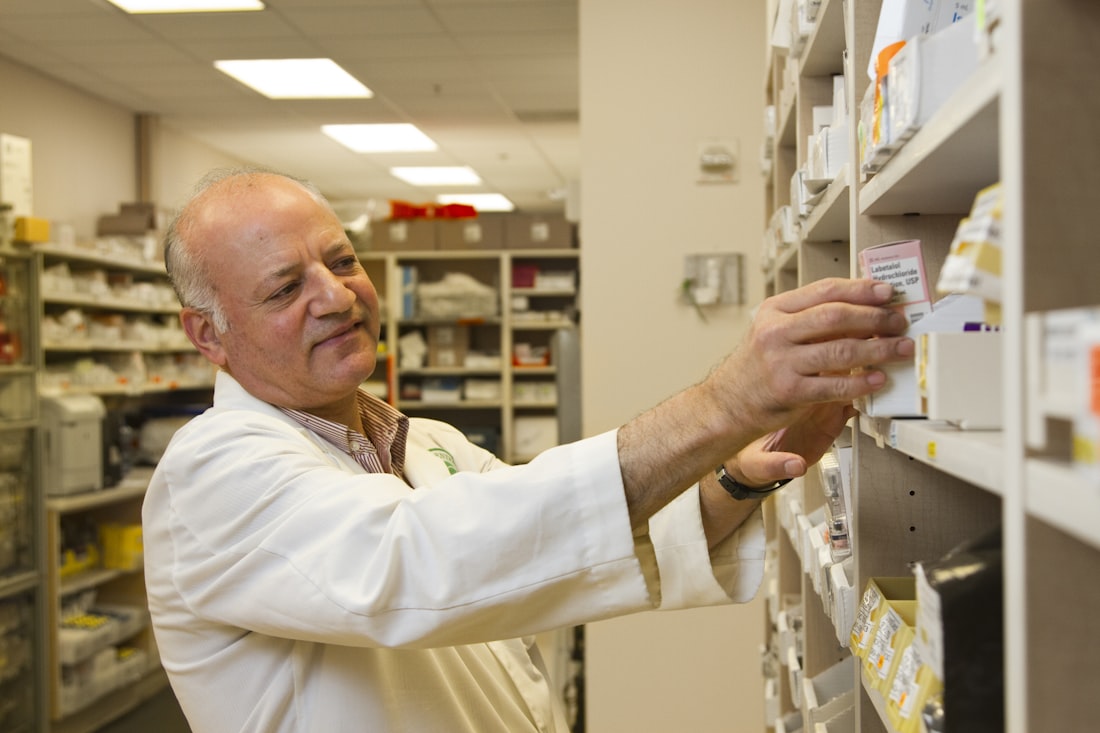
One site we actually run, not a directory we point at
Our investigators, our coordinators, our equipment, and our standard operating procedures, in one building. When something goes wrong, there is no question about whose problem it is and nobody to hand it off to.
- Site management. Staff training, equipment calibration, and document control run to one standard, and because there is only one site there is no drift between locations to reconcile at analysis.
- Monitoring. Risk based monitoring with onsite visits scheduled by what the data is telling us, not by a fixed calendar that ignores where the actual risk sits.
Three ways sponsors engage us
Full program
End to end, from feasibility through to database lock and the final study report. One contract, one accountable team, one point of escalation.
Our site only
You run the program, we run our site as one of yours. Your CRO monitors us to your standards and we work to your systems.
Specific function
Protocol and statistics, the regulatory file, or data management alone, where you have the rest covered and need one gap filled properly.
Tell us what you are trying to find out
Send us the indication, the endpoints you are considering, and the timeline. We will come back with an honest view of feasibility, including whether you would be better served elsewhere.